Best Cutting Board for Japanese Knives: Protecting Precision Blades
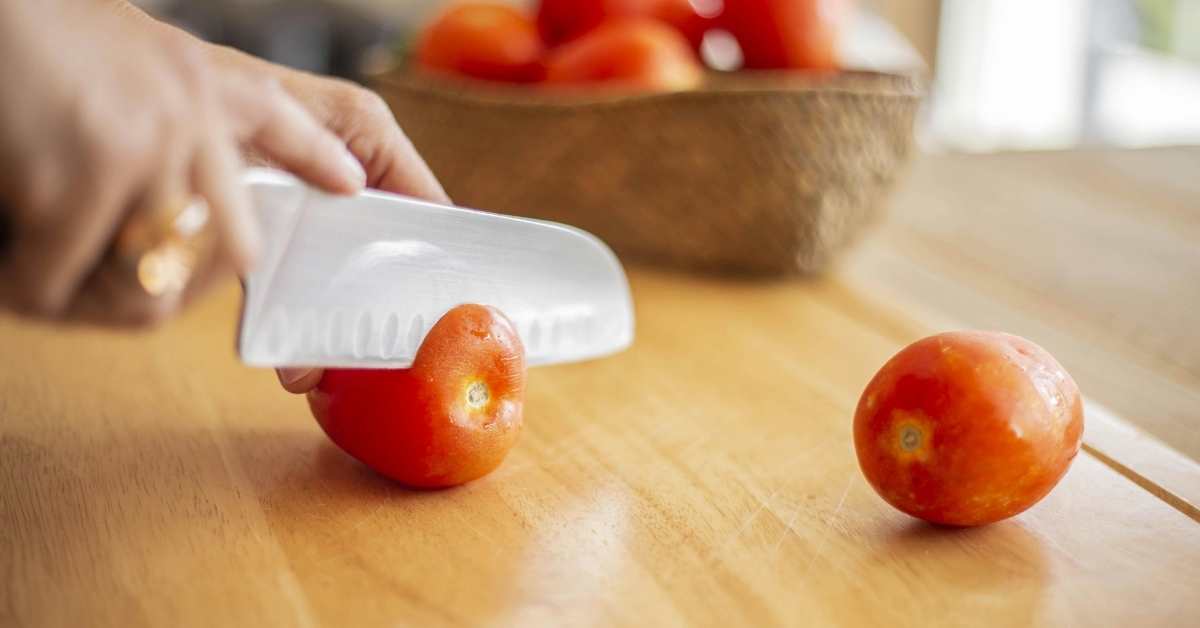
Japanese knives are known for their razor-sharp edges, thin profiles, and exceptional craftsmanship. To maintain their performance, choosing the best cutting board for Japanese knives is just as important as selecting the knife itself. The wrong surface can quickly dull or chip the delicate edge, while the right board preserves sharpness and enhances cutting efficiency.
Unlike Western knives, Japanese blades are typically harder and more brittle. This makes them highly precise but also more vulnerable to damage if used on unsuitable surfaces. Understanding which cutting boards work best helps protect your investment and ensures long-lasting performance in the kitchen.
Why Cutting Board Choice Matters for Japanese Knives
The cutting surface directly impacts how long your knife stays sharp. Hard surfaces like glass or stone may look appealing, but they can damage the blade edge almost instantly. Softer, forgiving materials absorb impact and reduce wear on the knife.
Japanese knives are designed for precision slicing rather than heavy-duty chopping. A compatible cutting board supports this function by providing a stable yet gentle surface. This combination ensures clean cuts, improved control, and extended blade life.
Using the best cutting board for Japanese knives not only protects the blade but also enhances your overall cooking experience.
Characteristics of an Ideal Cutting Board
Not all cutting boards are suitable for Japanese knives. The ideal board should balance durability, softness, and hygiene.
Soft but Durable Surface
A slightly soft surface prevents excessive wear on the blade edge. Materials like wood and rubber are excellent choices because they absorb impact without being too soft.
Non-Slip Stability
A stable board ensures safety and precision during cutting. Movement can lead to uneven cuts or accidents.
Knife-Friendly Texture
The surface should not be too rough or too smooth. A balanced texture allows smooth slicing while maintaining control.
Easy Maintenance
A good cutting board should be easy to clean and resistant to moisture and bacteria.
Best Materials for Japanese Knife Cutting Boards
Different materials offer varying levels of performance. Choosing the right one depends on your cooking habits and maintenance preferences.
Wooden Cutting Boards
Wood is widely considered the best material for Japanese knives. It provides a gentle surface that protects the blade while offering durability.
Common wood types include:
- Hinoki (Japanese cypress)
- Maple
- Walnut
- Cherry
Hinoki is particularly popular in Japanese kitchens due to its natural antimicrobial properties and soft texture.
Rubber Cutting Boards
Rubber boards are another excellent option. They are soft, non-porous, and highly durable. Many professional kitchens prefer rubber boards for their hygiene and knife-friendly surface.
They are also easier to maintain compared to wood, making them a practical choice for busy environments.
Bamboo Cutting Boards
Bamboo is often marketed as an eco-friendly option, but it is harder than most woods. This can lead to faster blade dulling, making it less ideal for Japanese knives.
While durable, bamboo boards are not the best choice for preserving sharp edges.
Plastic Cutting Boards
Plastic boards are affordable and easy to clean, but they can develop grooves over time. These grooves may harbor bacteria and affect cutting performance.
High-quality, softer plastic boards can work, but they are generally less preferred than wood or rubber.
Materials to Avoid
Certain materials should never be used with Japanese knives due to their hardness.
- Glass cutting boards
- Marble or granite surfaces
- Ceramic boards
These surfaces can quickly dull or chip the blade, reducing its effectiveness and lifespan.
Comparison of Cutting Board Materials
The following table highlights the strengths and weaknesses of common materials:
| Material | Knife Friendliness | Durability | Maintenance | Best For |
|---|---|---|---|---|
| Wood | Excellent | High | Moderate | Home and professional use |
| Rubber | Excellent | High | Easy | Professional kitchens |
| Bamboo | Moderate | Very High | Easy | General use (not ideal) |
| Plastic | Moderate | Moderate | Easy | Budget-friendly option |
| Glass | Poor | Very High | Easy | Not recommended |
How to Maintain a Cutting Board
Proper maintenance ensures both hygiene and performance. Regardless of the material, regular care is essential.
Cleaning
Wash the board with warm water and mild soap after each use. Avoid soaking wooden boards, as this can cause warping.
Drying
Always dry the board thoroughly to prevent moisture buildup. Standing it upright helps with air circulation.
Oiling Wooden Boards
Wooden boards require periodic oiling to maintain their condition. Food-grade mineral oil is commonly used.
Sanitizing
Occasionally sanitize the board using natural solutions like vinegar or diluted bleach, depending on the material.
Common Mistakes When Using Cutting Boards
Even with the right board, improper use can reduce its effectiveness.
- Cutting on extremely hard surfaces
- Using excessive force with delicate knives
- Ignoring board maintenance
- Allowing deep grooves to develop
Avoiding these mistakes helps maintain both your knife and cutting board in optimal condition.
Matching Cutting Boards with Japanese Knife Types
Different Japanese knives benefit from specific cutting board characteristics.
Gyuto (Chef’s Knife)
A versatile knife that performs well on both wood and rubber boards.
Santoku
Ideal for slicing and chopping, it benefits from soft wooden surfaces that protect its edge.
Yanagiba
Used for slicing fish, this knife requires a smooth, soft surface like hinoki to maintain precision.
Nakiri
Designed for vegetables, it performs best on stable, knife-friendly boards that allow clean, straight cuts.
Enhancing Kitchen Efficiency with the Right Board
Using the right cutting board improves workflow and reduces fatigue. A stable surface allows for smoother cutting motions, increasing speed and accuracy.
It also helps maintain consistency in food preparation, which is especially important in professional kitchens. Pairing high-quality knives with suitable boards creates a more efficient and enjoyable cooking environment.
For a detailed breakdown of top options, explore this guide on best cutting board for japanese knives to find materials and designs that suit your kitchen setup.
Advanced Tips for Knife and Board Care
Experienced chefs often follow additional practices to extend the life of their tools.
Rotate Your Cutting Board
Using different sections of the board prevents uneven wear and extends its lifespan.
Use Separate Boards for Different Foods
This improves hygiene and prevents cross-contamination.
Avoid Excessive Force
Japanese knives are designed for precision, not brute force. Let the sharpness do the work.
Regular Inspection
Check both the knife and board for signs of wear. Addressing issues early prevents further damage.
For more expert insights and product comparisons, refer to this resource on best cutting board for japanese knives to make an informed decision.
Why the Right Cutting Board Makes a Difference
Choosing the correct cutting board is essential for preserving the sharpness, performance, and longevity of Japanese knives. A knife-friendly surface not only protects the blade but also enhances your overall cooking experience.
By selecting high-quality materials like wood or rubber and maintaining them properly, you can ensure your knives remain in peak condition. The right cutting board transforms everyday food preparation into a more precise, efficient, and enjoyable process.